Back to News

May 20, 2026

News

Reinventing Public Space as a Third Place

What if public spaces stopped being mere transit areas and became destinations designed for wandering, connection, and exchange?

Through urban design, culture, and art, public space can become a destination in its own right: an open, welcoming, and stimulating place where citizens choose to gather, take part, and experience the city in new ways.

Gallery

What’s a third place ?

The concept of the “third place” was theorized by American sociologist Ray Oldenburg (1932–2022). If the first place is the home (household, family) and the second place is the workplace (or school), the third place is a neutral space that allows individuals to build social connections outside these two spheres. People voluntarily gather in these environments, which encourage spontaneous interactions and social diversity. According to Oldenburg, these places are the foundation of a living and sustainable democracy.

A third place is generally:

  • open and accessible;
  • welcoming;
  • conducive to informal exchange;
  • regularly frequented by a community;
  • less hierarchical than a workplace.

Whether hair salons, cafés, libraries, gyms, dance studios, community centers, or neighborhood houses, these places help foster a sense of belonging and community that supports social well-being.

Third places, essential in combating loneliness.


Third places now play an essential role in combating social isolation. By providing accessible and welcoming spaces, they enable citizens to build connections, take part in community life, and strengthen their sense of belonging within their local environment.

In a context where loneliness and social fragmentation affect a growing number of people—particularly seniors, newcomers, young adults, and those living alone—these places are becoming social infrastructure as important as cultural or sports facilities.

By fostering spontaneous encounters, mutual support, and civic participation, third places directly contribute to:

  • collective well-being;
  • mental health;
  • neighbourhood vitality;
  • a sense of safety and belonging.

Investing in third places therefore means investing in social cohesion, preventing isolation, and improving the overall quality of life in communities.

Transforming Public Space into a Living Place

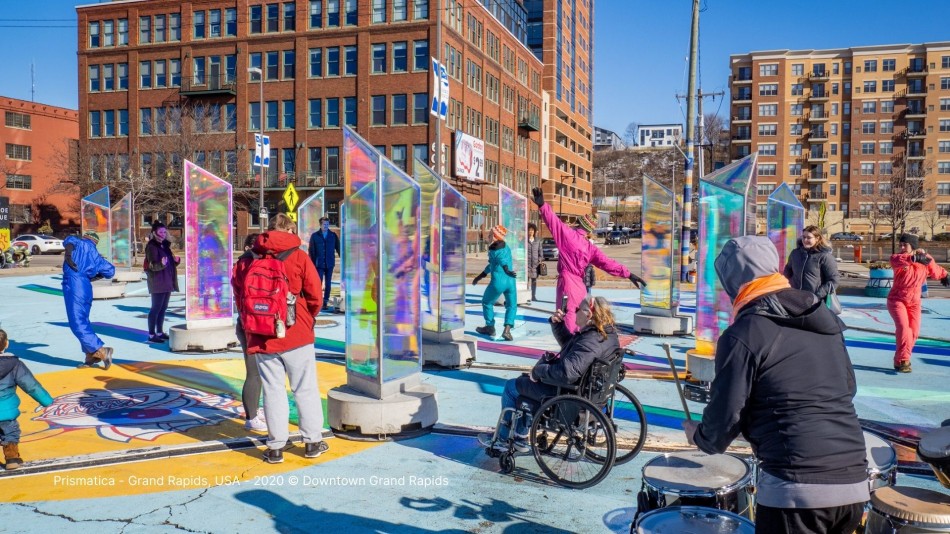
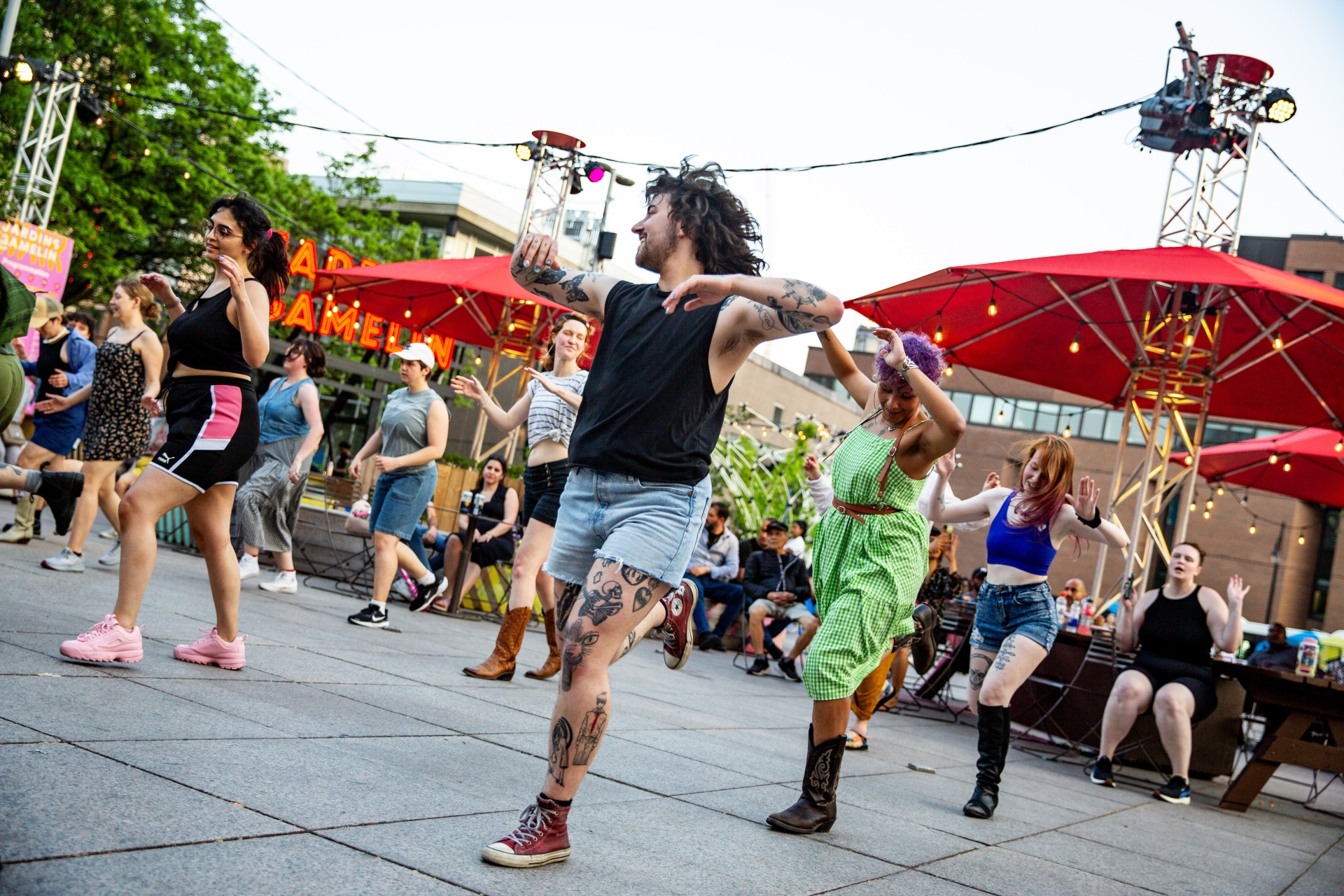
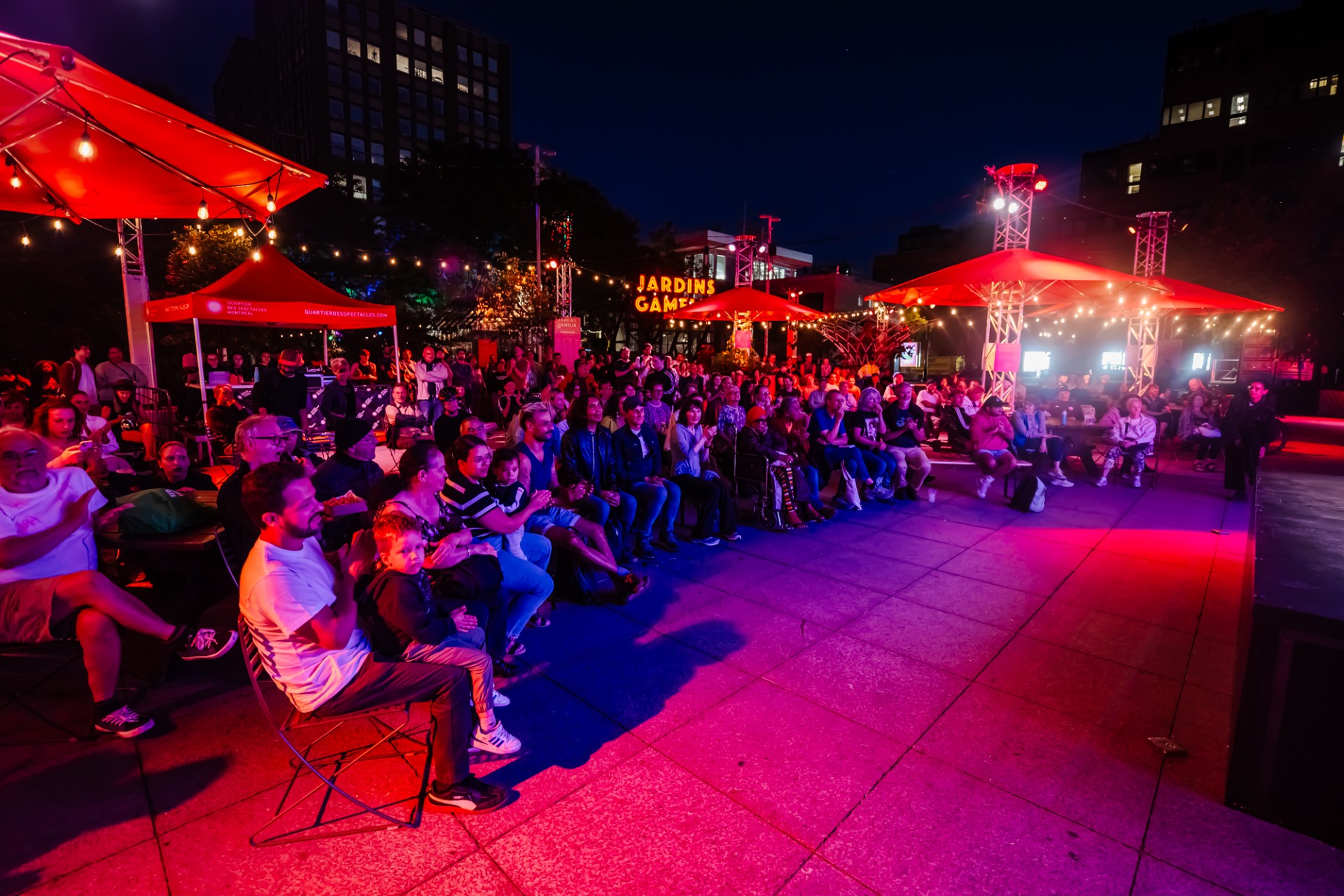
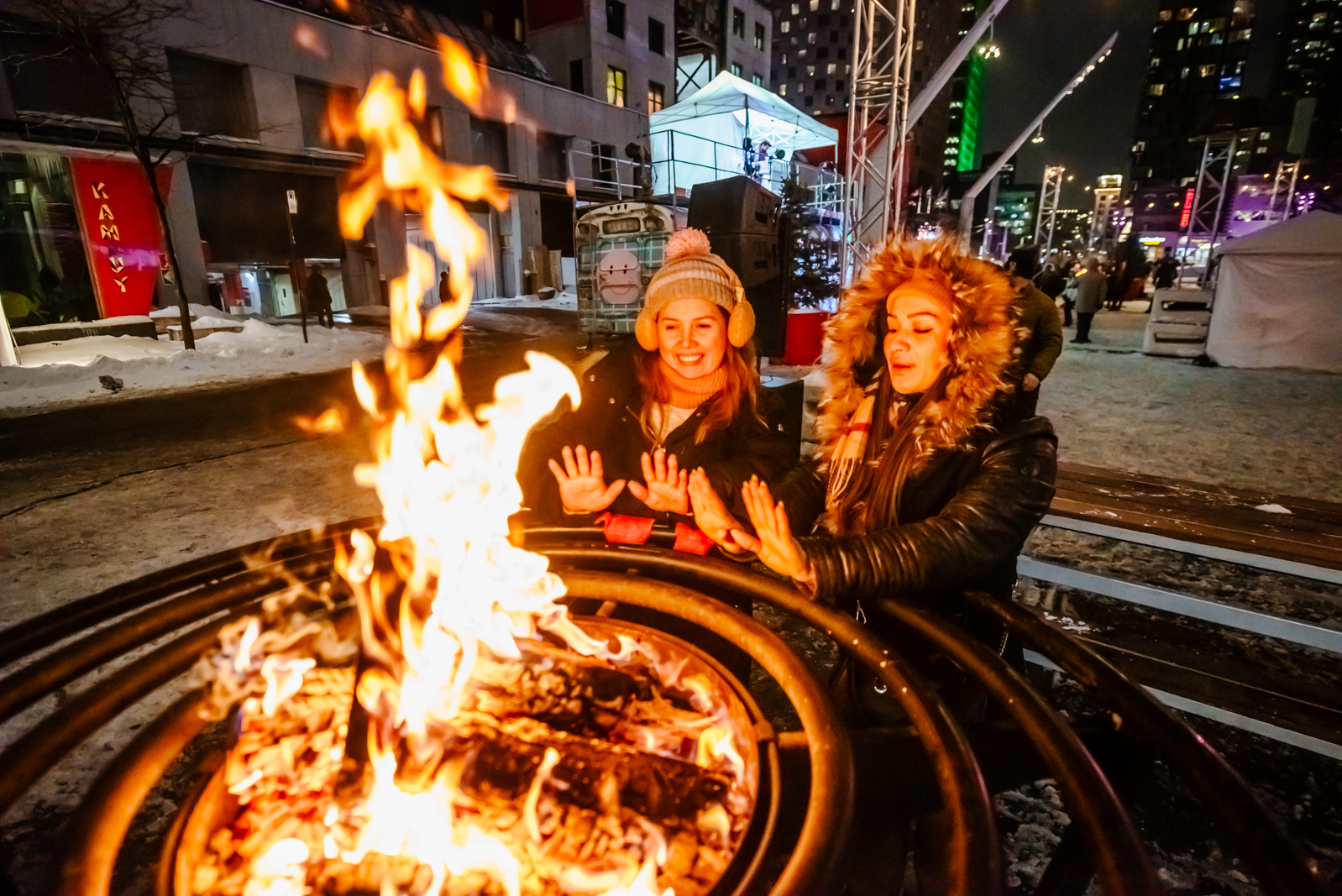
Public space holds immense potential to become a true third place. When activated in a creative and sensitive way, it ceases to be merely a place of transit and becomes a space for encounter, contemplation, and exchange.

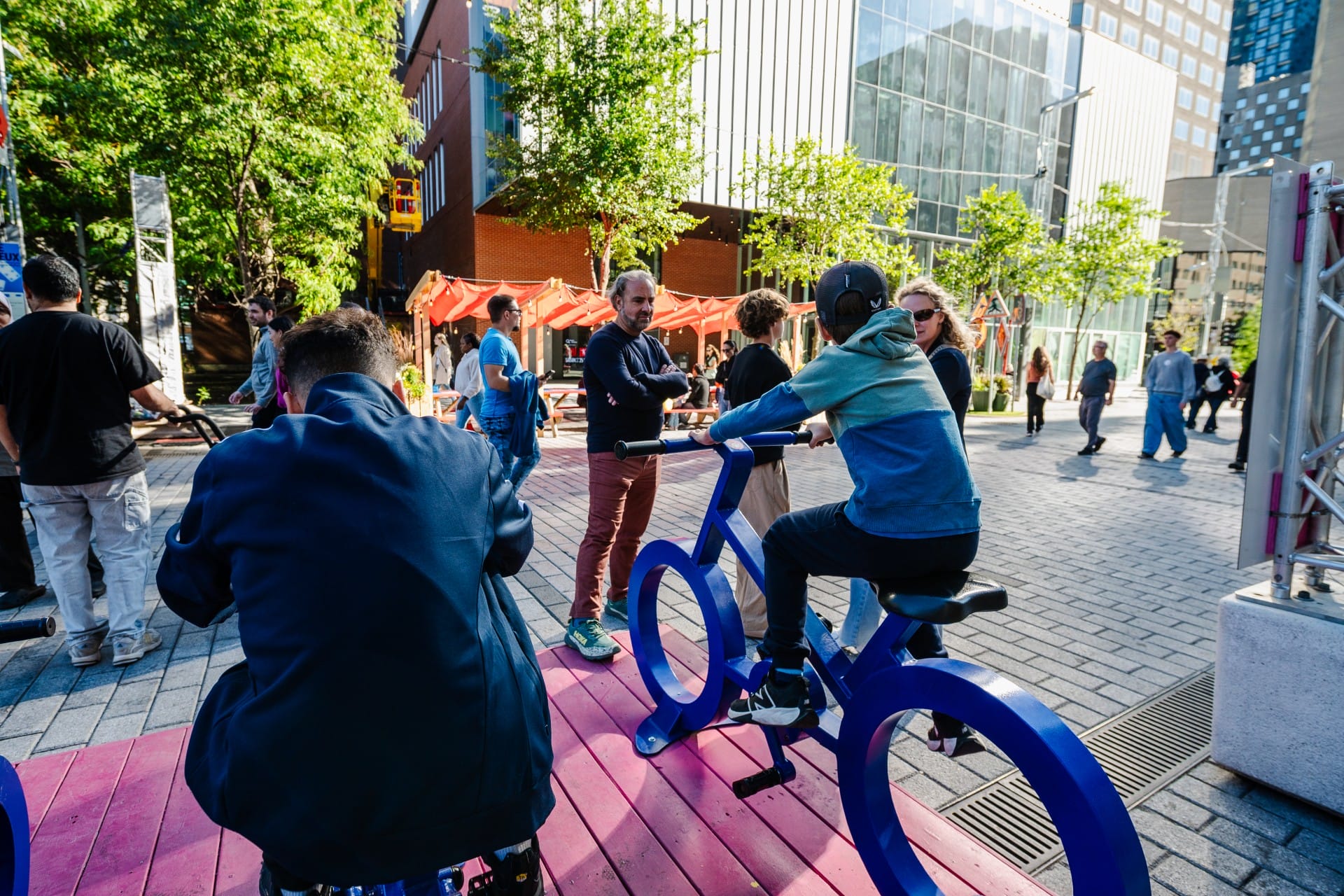
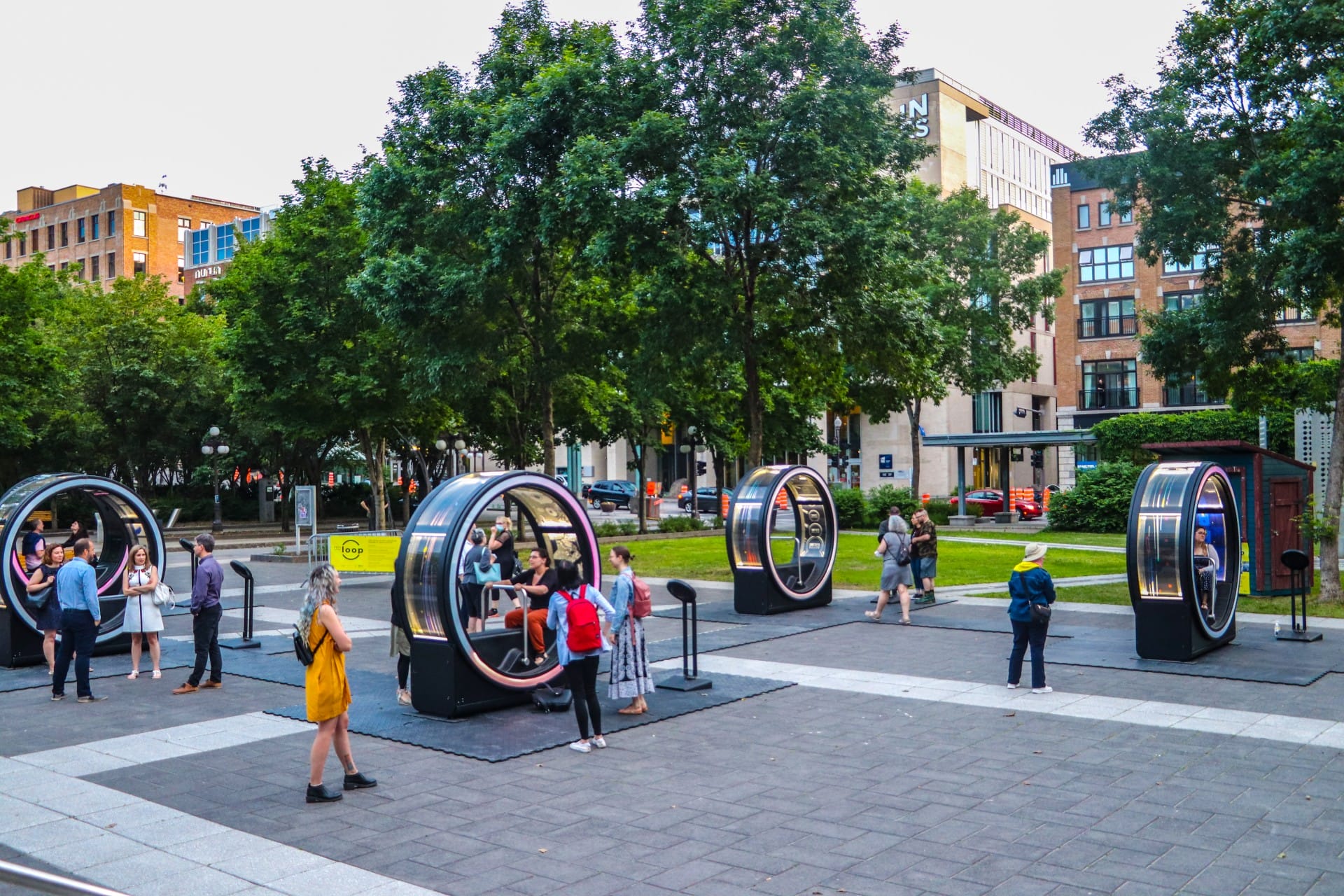
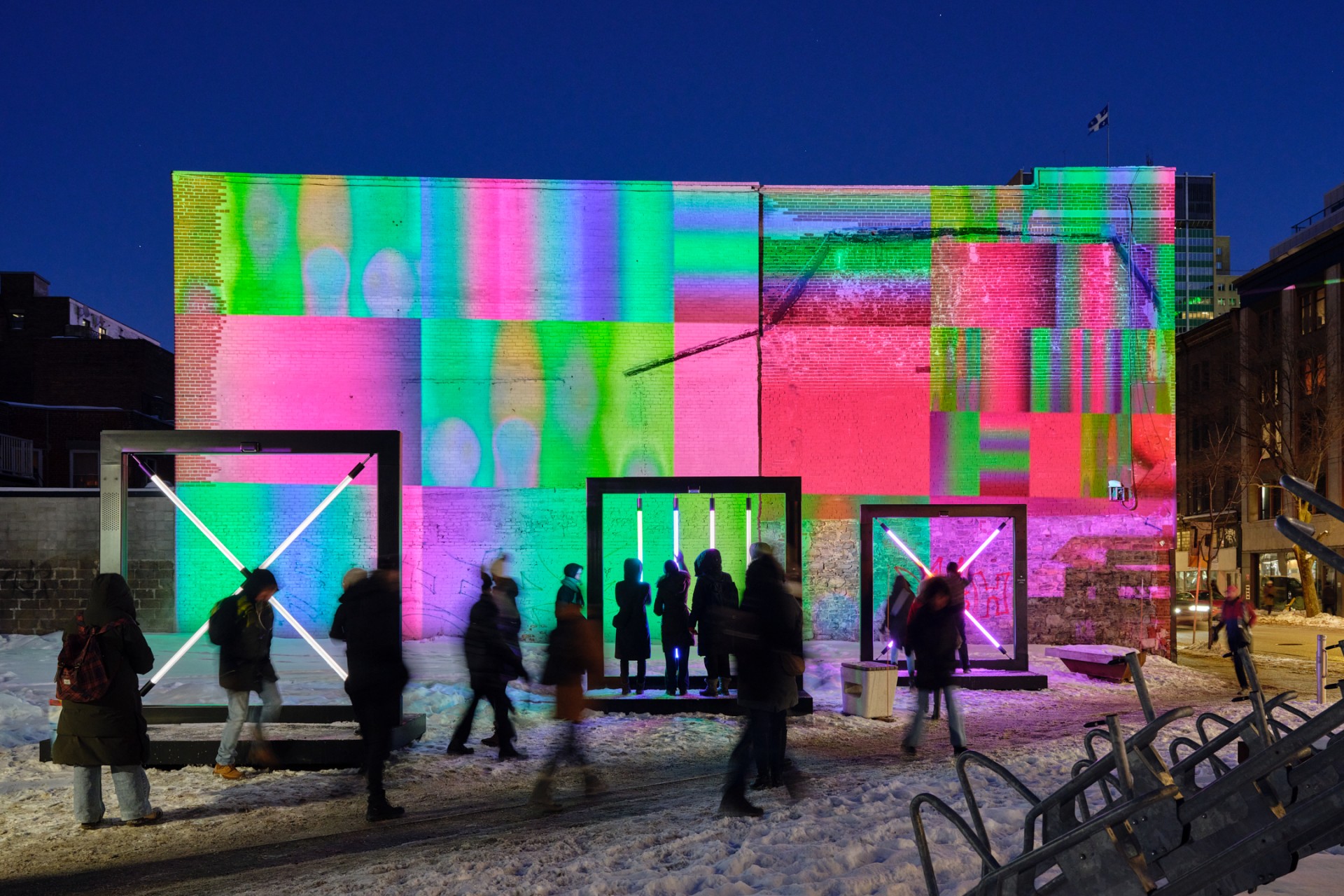
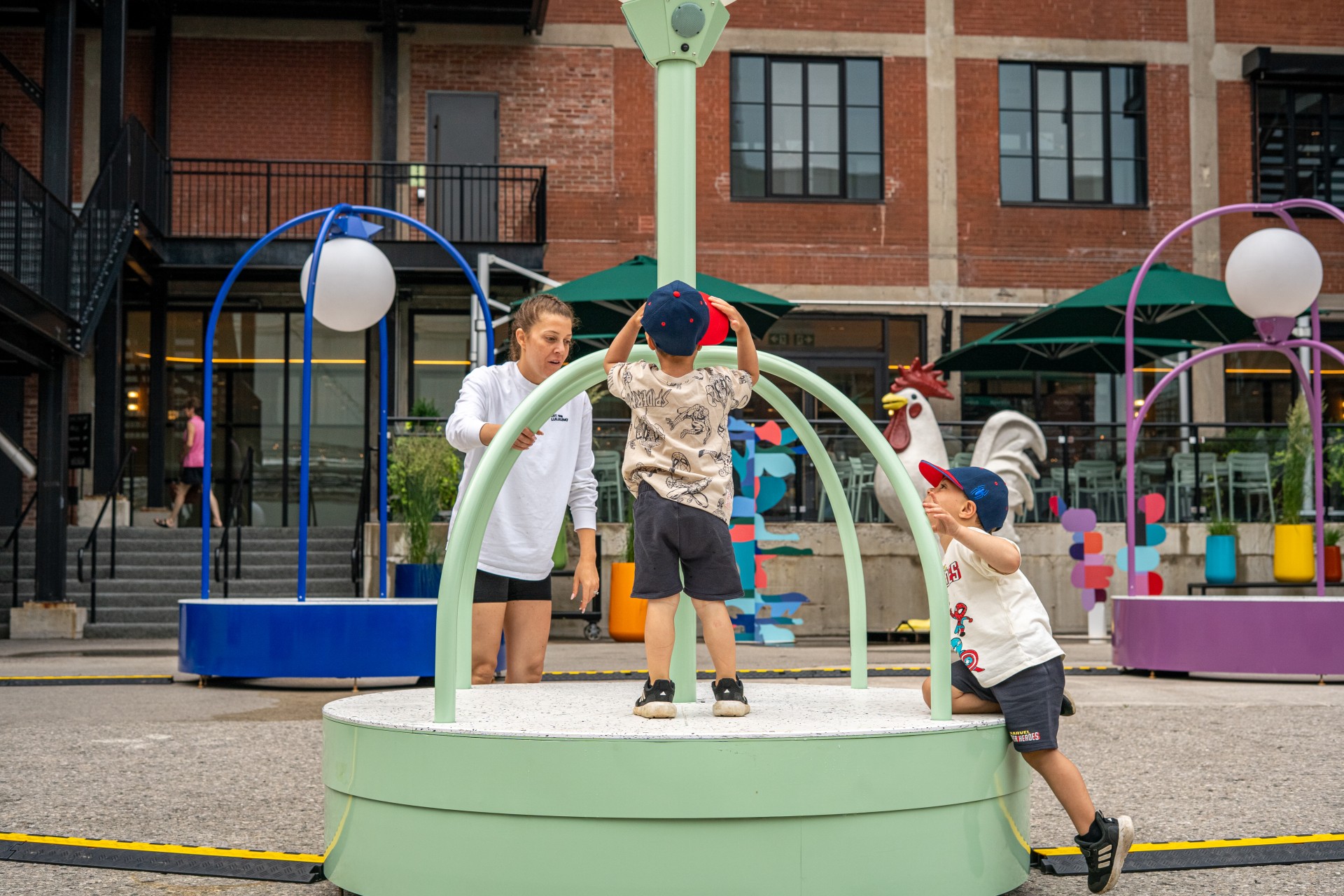
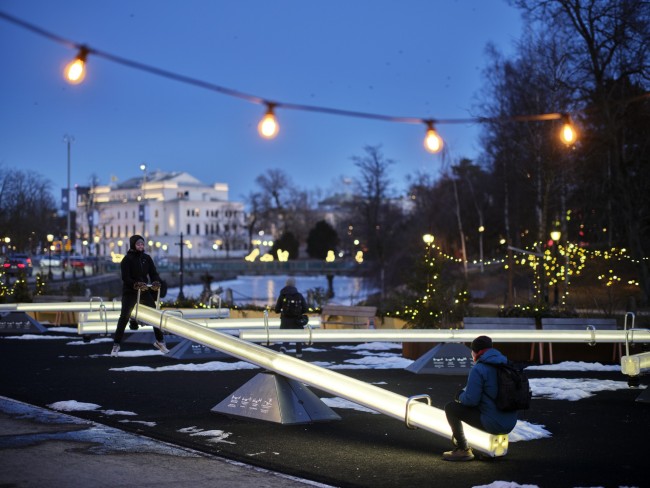
QDSi installations contribute precisely to this transformation by creating immersive, interactive, or contemplative environments that naturally encourage citizens to appropriate and engage with these spaces. This was the case in Saint Louis, United States, with the presentation of Loop:

“I saw people not only using the Loops, but also appropriating the public square itself. The presence of activity made the space more welcoming and accessible […] The lighting component also contributed to an increased sense of perceived safety.”
Eva France, Downtown Activation Manager

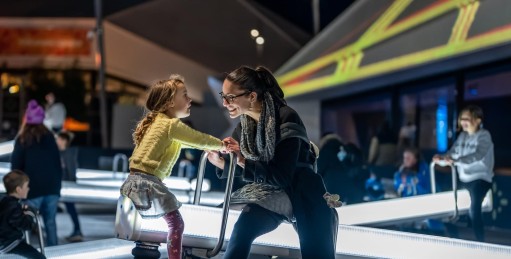
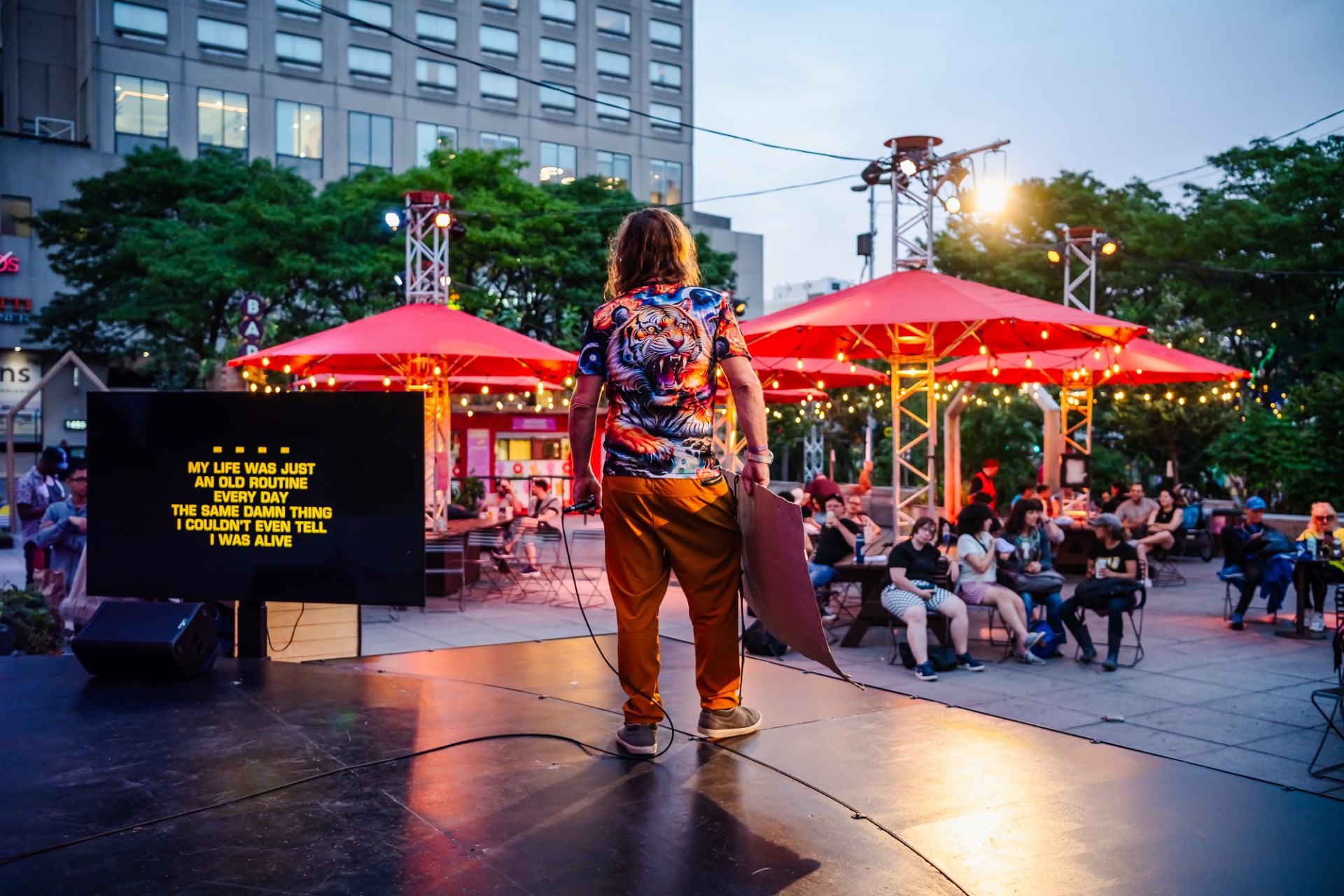
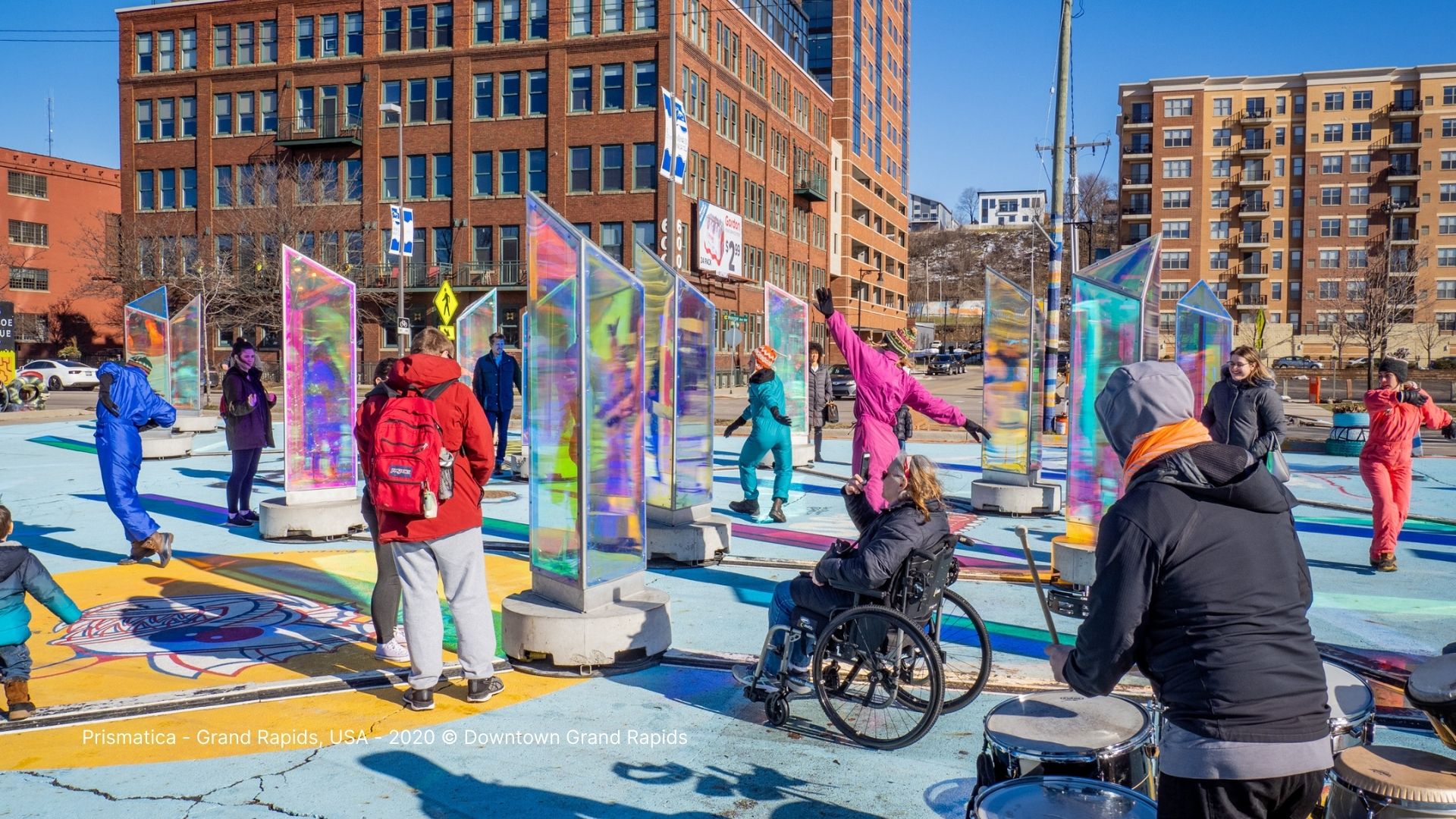
Integrated into parks, public squares, or transitional urban spaces, these works attract passersby through their aesthetics, lighting, or the experience they offer. People slow down, stop, observe, interact, and engage with one another. The space then becomes a lively and accessible gathering point, as illustrated by the presentation of Lucia in Detroit:

“What I liked most was how it brought strangers together: different groups were interacting simultaneously. It became a spontaneous collective activity. A family could interact with a group of friends.”
Eva Wiedland, Senior Activations Associate at Bedrock – Detroit, United States
Gallery

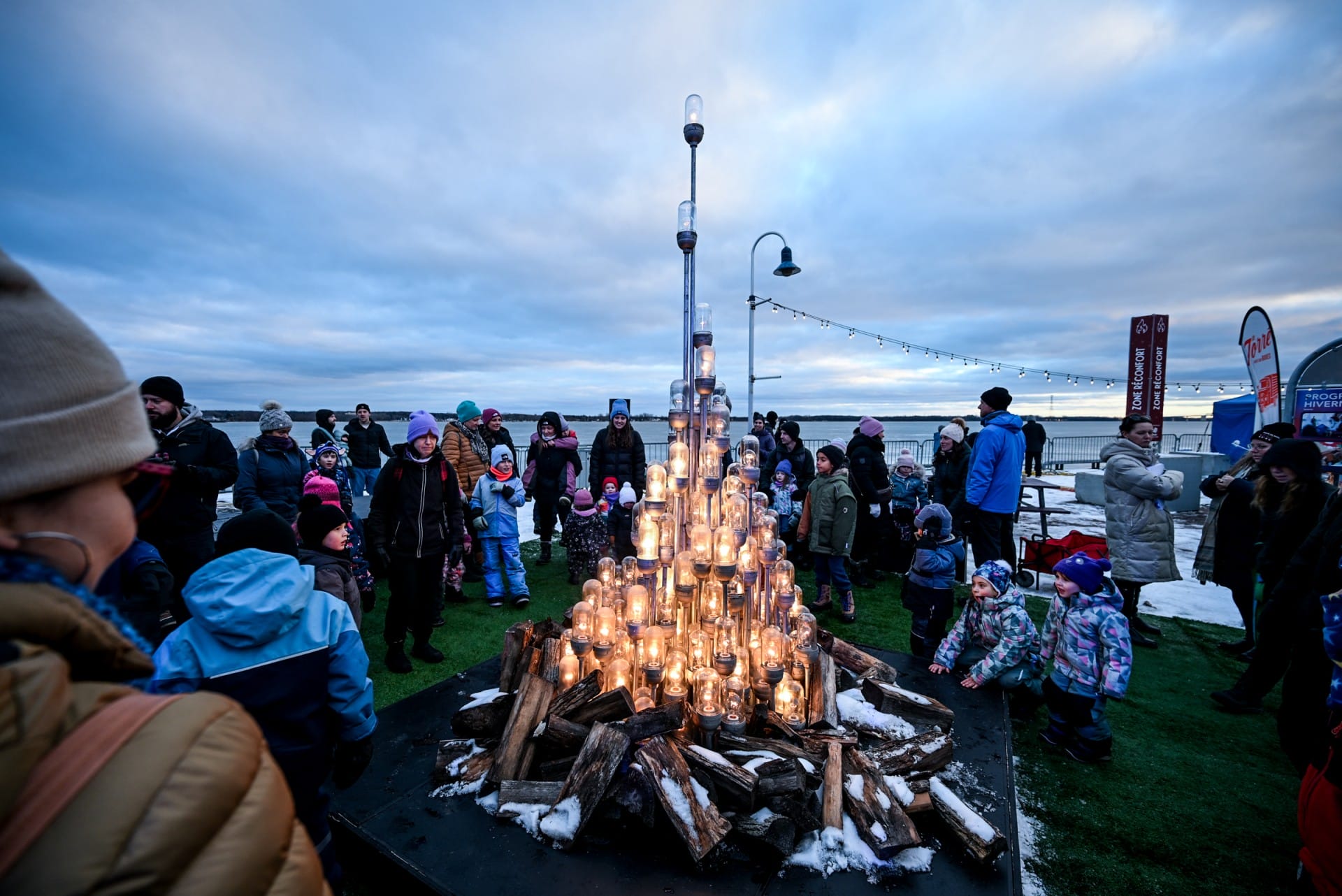
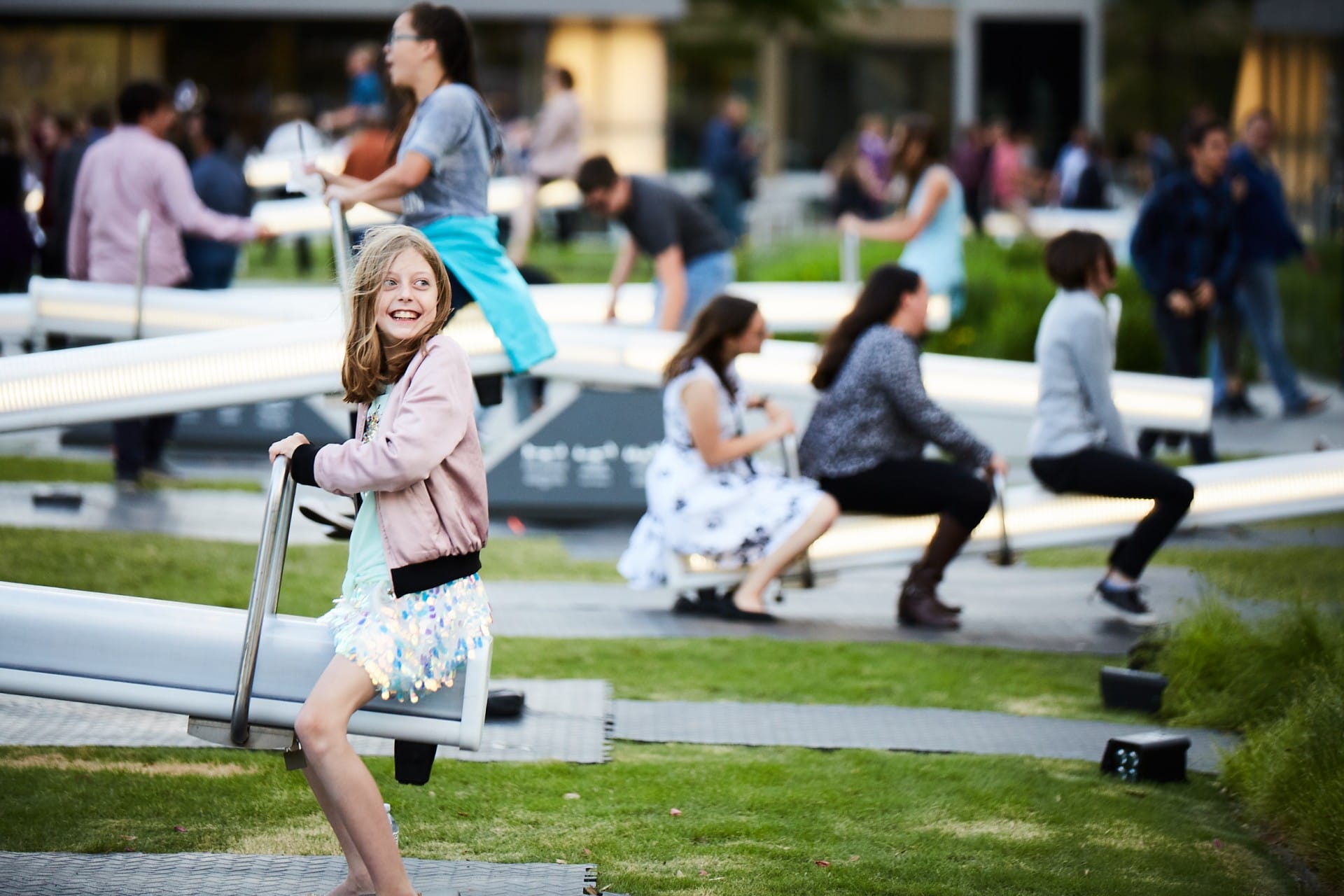
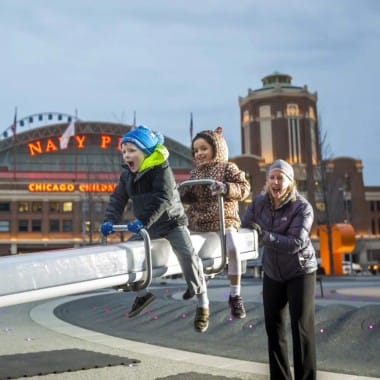
Impulsion – Dallas, USA – 2019 © Scogin Mayo

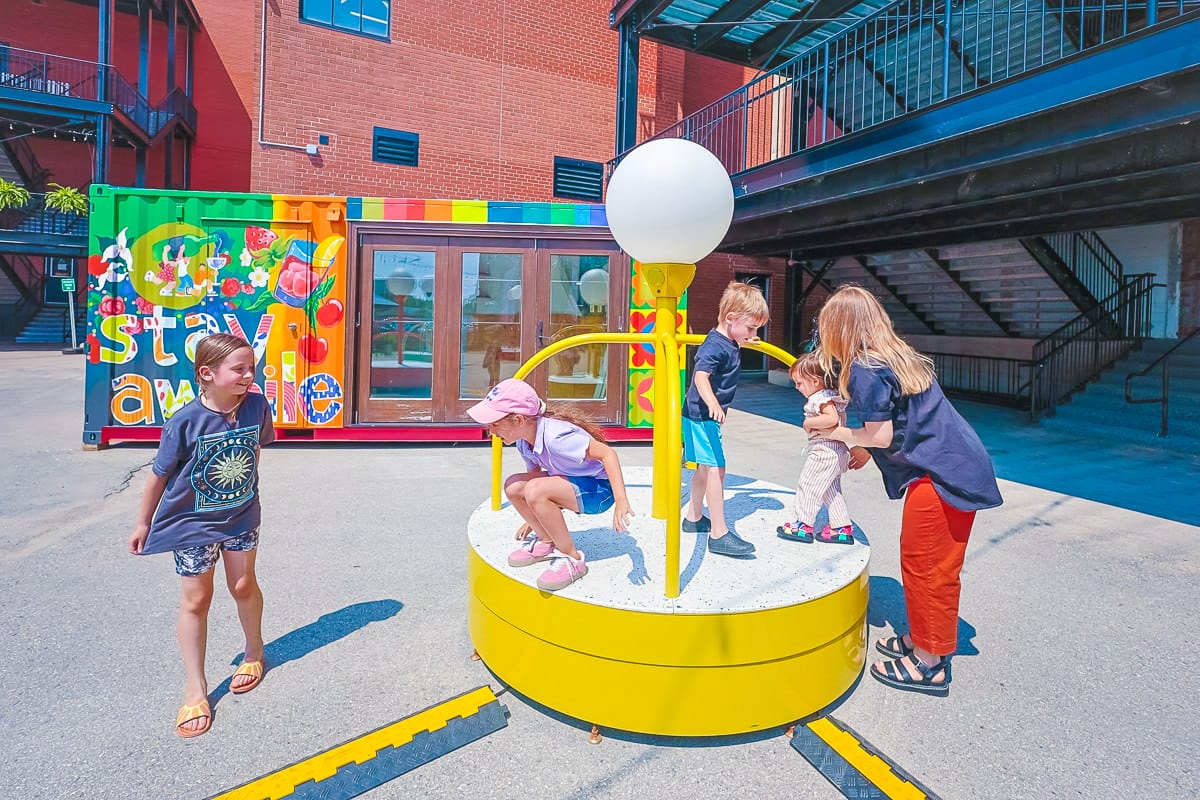
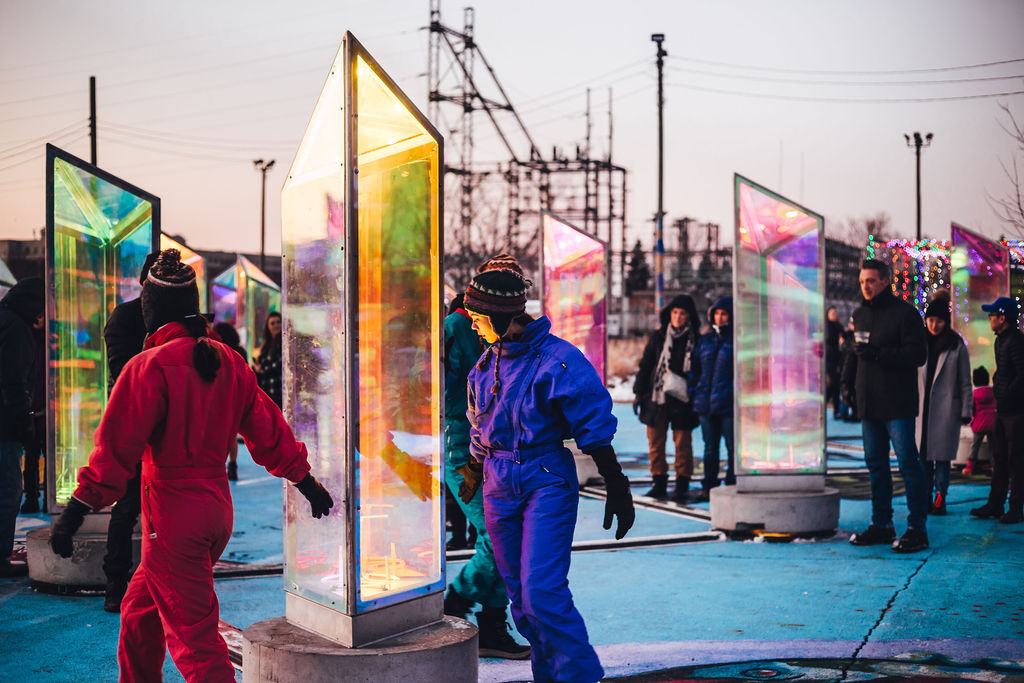
Celestia, London © Half & half agency

Loop – Quebec, Canada – 2021 @ Nadia Morin (05)

Explore the interactive installations catalog from QDSinternational